
SR Pest Control

October 2026

Termite Control in Visakhapatnam

Termite Control in Visakhapatnam: Complete Homeowner’s Guide

Termite Control in Visakhapatnam: Complete Homeowner’s Guide Termites can cause serious problems for homeowners because they often damage wooden structures long before their presence becomes obvious. A wooden door may start looking weak, a cupboard may develop unusual damage, or you may notice mud-like lines running along a wall. These small signs can sometimes indicate a termite problem that needs attention. For homeowners looking for termite control in Visakhapatnam, understanding how termites enter properties, how to identify an infestation, and when to seek professional help can make a big difference. Whether you live in an independent house or an apartment, this guide explains the common warning signs, prevention methods, treatment options, and practical steps you can take to protect your property. What Are Termites and Why Are They a Problem? Termites are insects that feed on cellulose, a material found in wood and other plant-based products. Depending on the species, they may attack wooden furniture, door frames, flooring, structural timber, and other materials containing cellulose. The main concern is that termite activity can remain hidden. Some termites consume wood from the inside, leaving the outer surface looking relatively normal until the damage becomes noticeable. If the infestation is left untreated, the damage can become more extensive and potentially expensive to repair. Why Do Homes in Visakhapatnam Need Termite Protection? Termite activity depends on several factors, including the species present, moisture conditions, building design, construction materials, and access to suitable food sources. In Visakhapatnam, homeowners should pay attention to property maintenance, particularly in areas affected by persistent dampness or plumbing leaks. Common conditions that may increase the risk of termite activity include: These conditions do not guarantee a termite infestation, but addressing them can help reduce potential risks. 7 Warning Signs of Termites in Your Home Recognizing termite activity early can help you arrange an inspection before the damage becomes more extensive. 1. Hollow-Sounding Wood Gently tapping wooden doors, cupboards, or other furniture may reveal areas that sound hollow or feel unusually weak. Termites can consume the inside of wood while leaving parts of the outer surface intact. If you notice unexplained damage, consider having the affected area inspected. 2. Mud Tubes on Walls Some termites build narrow mud tubes to travel between their colony and food sources while protecting themselves from drying conditions. These tubes may appear along walls, foundations, wooden structures, or areas near plumbing. If you discover mud-like lines running along a wall, avoid assuming they are harmless dirt marks. 3. Discarded Wings Near Windows Winged termites, also called swarmers, may leave their colonies to establish new ones. After swarming, they often shed their wings. You may find small discarded wings near windows, doors, or light sources. Although other insects can leave similar signs, repeated findings of wings alongside damaged wood or mud tubes deserve further investigation. 4. Damaged Wooden Doors and Frames Termite damage may affect door frames, window frames, cupboards, skirting boards, and other wooden components. Look for unusual holes, weakened sections, blistered surfaces, or wood that appears damaged beneath the paint. Moisture and other wood-damaging pests can cause similar symptoms, so an inspection may be needed to identify the actual cause. 5. Bubbling or Peeling Paint Paint that appears swollen or blistered can sometimes indicate damage or moisture behind the surface. This sign alone does not confirm termites, but it is worth investigating when it appears alongside other warning signs. 6. Termite Droppings Certain drywood termites produce small, hard pellets that may accumulate near affected wood. If you find unexplained pellet-like material beneath wooden furniture or near small holes, it may be useful to have the area checked. 7. Repeated Signs of Damage If wooden items continue to weaken or new signs appear in different areas, do not simply repaint or replace the visible surface without investigating the cause. A professional inspection can help determine whether termites or another issue is responsible. What Types of Termite Control Are Available? The appropriate treatment depends on the termite species, the location of the infestation, the building structure, and the extent of the damage. There is no single treatment that suits every property. 1. Soil Treatment For certain subterranean termite infestations, professional soil treatment may be used to help protect the building and manage termite activity. The exact approach depends on the construction, infestation, and treatment system selected. 2. Wood Treatment Suitable wood treatments may be used in certain situations to address termite activity in accessible wooden materials. However, treating only the visible surface may not be sufficient when termites are concealed deeper inside the wood or elsewhere in the property. 3. Baiting Systems Some termite management programmes use baiting systems designed to be discovered and consumed by termites. These systems require appropriate placement and monitoring. Results depend on the termite species, colony activity, and the system used. 4. Targeted Professional Treatment When termite activity is detected in a specific area, a professional may recommend a targeted treatment based on the findings of the inspection. The provider should explain what the treatment covers, its limitations, and whether monitoring or follow-up is needed. Why DIY Termite Treatment May Not Be Enough When homeowners discover termites, their first instinct may be to purchase a spray and treat the affected area themselves. Although some products may kill exposed insects, that does not necessarily eliminate the underlying infestation. Termites may be hidden inside wood, behind walls, beneath flooring, or in areas that are difficult to access. DIY treatment can be especially limited when the infestation affects structural components or extends beyond the visibly damaged area. If you suspect termites, avoid damaging structural wood to investigate the problem yourself. A professional assessment can help establish the extent of the activity and identify suitable treatment options. How to Choose a Termite Control Company in Visakhapatnam Choosing the right pest control provider is important because termite treatment can involve different methods depending on the property. Before booking a service, consider the following factors. Check Relevant Experience Ask whether the company has experience handling termite

Termite Control in Visakhapatnam: Complete Homeowner’s Guide Read More »
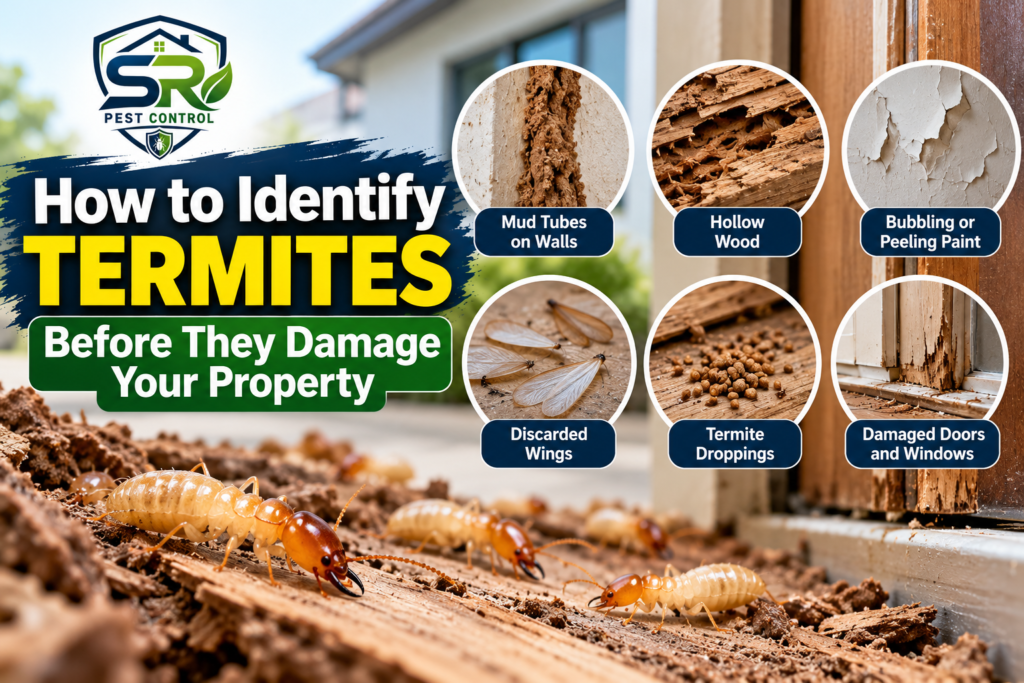
How to Identify Termites

How to Identify Termites Before They Damage Your Property

How to Identify Termites Before They Damage Your Property Termites are among the most troublesome pests a property owner can face. The biggest problem is that they often remain hidden for months, quietly damaging wooden furniture, doors, flooring, and other parts of a building before anyone notices. You might see a small patch of damaged wood or notice a few tiny insects near a window and assume it is nothing serious. Unfortunately, these small signs can sometimes indicate a larger termite problem. The good news is that identifying termites early can help you take action before the damage becomes more extensive. Whether you own a house, apartment, office, or commercial property, knowing what to look for can make a real difference. Here are the common warning signs of termite activity and what you should do if you find them. 1. Look for Hollow-Sounding Wood One of the common signs of termite damage is wood that sounds hollow when gently tapped. Termites feed on cellulose, a material found in wood and other plant-based materials. As they consume the inside of wooden structures, they can leave the outer surface looking relatively normal. You may notice this in: If a wooden surface sounds unusually hollow, feels weak, or appears damaged, it is worth investigating further. However, hollow-sounding wood does not always mean termites are present. Other forms of deterioration can produce similar signs. 2. Check for Mud Tubes on Walls Mud tubes are one of the most recognizable signs of subterranean termite activity. These narrow, tube-like structures are made from soil and other materials. Termites use them to travel between their colony and food sources while protecting themselves from open air and drying conditions. You may find mud tubes along: If you notice thin, mud-like lines running along a wall or foundation, do not immediately scrape them away and assume the problem is solved. They may indicate termite activity that requires further inspection. 3. Notice Paint That Bubbles or Peels Sometimes termite damage is not immediately visible because the insects are hidden behind the surface. You may notice paint that appears blistered, uneven, or swollen. In certain cases, damage behind the paint can resemble moisture damage. However, peeling paint can also result from dampness, poor surface preparation, or other building issues. If the paint changes are accompanied by hollow wood, mud tubes, or other signs of termite activity, the area should be inspected more closely. 4. Watch for Discarded Wings Near Windows Some termites develop into winged reproductive adults, often called swarmers or alates. Under suitable conditions, they leave their colonies to establish new ones. After swarming, these insects may shed their wings. You might find small, similar-looking wings near: Finding discarded wings indoors can be a warning sign that termites may be present nearby. Still, wings alone cannot confirm an active infestation inside the building. Other flying insects can also shed their wings, so the surrounding evidence matters. 5. Look for Small Holes and Damaged Wood Termite activity can sometimes leave visible holes, damaged surfaces, or weakened sections of wood. Inspect wooden furniture, door frames, shelves, and other wooden structures if you notice unusual deterioration. Depending on the termite species, damage may be hidden beneath the surface or visible externally. Do not assume that every small hole is caused by termites. Wood-boring beetles and other causes can produce similar damage. If you notice several signs together, consider getting a professional assessment. 6. Check for Doors and Windows That Suddenly Stick Have you noticed a wooden door becoming difficult to close or a window frame becoming unusually tight? Swelling caused by moisture is a common explanation, but termite damage may also affect wooden components. Termites can weaken or damage wood, while moisture can cause it to expand or distort. If doors and windows suddenly become difficult to operate, inspect the surrounding wood for other signs, such as hollow areas, mud tubes, or surface damage. It is important to identify the actual cause rather than assuming that termites are responsible. 7. Look for Termite Droppings Some drywood termite species produce small, hard, pellet-like droppings known as frass. These may accumulate beneath small openings in infested wood or near affected furniture. The pellets can look like tiny grains, and their colour may vary depending on the wood being consumed. Not all termite species leave visible pellets in the same way. Subterranean termites, for example, commonly use mud tubes and may leave different signs. If you notice unexplained pellets near wooden furniture, an inspection can help determine whether they are associated with termites or another source. 8. Pay Attention to Swarming Termites Winged termites may appear in groups during periods when environmental conditions are suitable for swarming. You may notice several flying insects gathering around lights or windows, sometimes with discarded wings nearby. Swarming does not necessarily mean the entire building is infested. However, repeated termite-like swarms inside a property deserve attention. Avoid identifying insects based on wings alone. Flying ants can look similar to winged termites, so checking other features or obtaining professional identification may be helpful. Why Early Termite Detection Matters Termites can remain hidden while continuing to damage suitable materials. By the time visible damage becomes obvious, the affected area may be more extensive than it first appears. Early identification can help property owners: Not every warning sign means you have termites, but it is better to investigate suspicious damage than to ignore it. Where Should You Look for Termites at Home? You do not need to dismantle your furniture or damage your walls to check for warning signs. Start with a visual inspection of accessible areas. Wooden Furniture Check wardrobes, cupboards, bed frames, shelves, and other wooden items for unusual damage or hollow areas. Doors and Windows Look around wooden frames, especially near the floor or areas where moisture may accumulate. Walls and Foundations Inspect accessible corners and foundation areas for mud tubes or other unusual structures. Bathrooms and Kitchens Pay attention to areas near plumbing, where persistent moisture may contribute

How to Identify Termites Before They Damage Your Property Read More »

Cockroach Gel Treatment vs Spray

Cockroach Gel Treatment vs Spray: What’s the Difference?

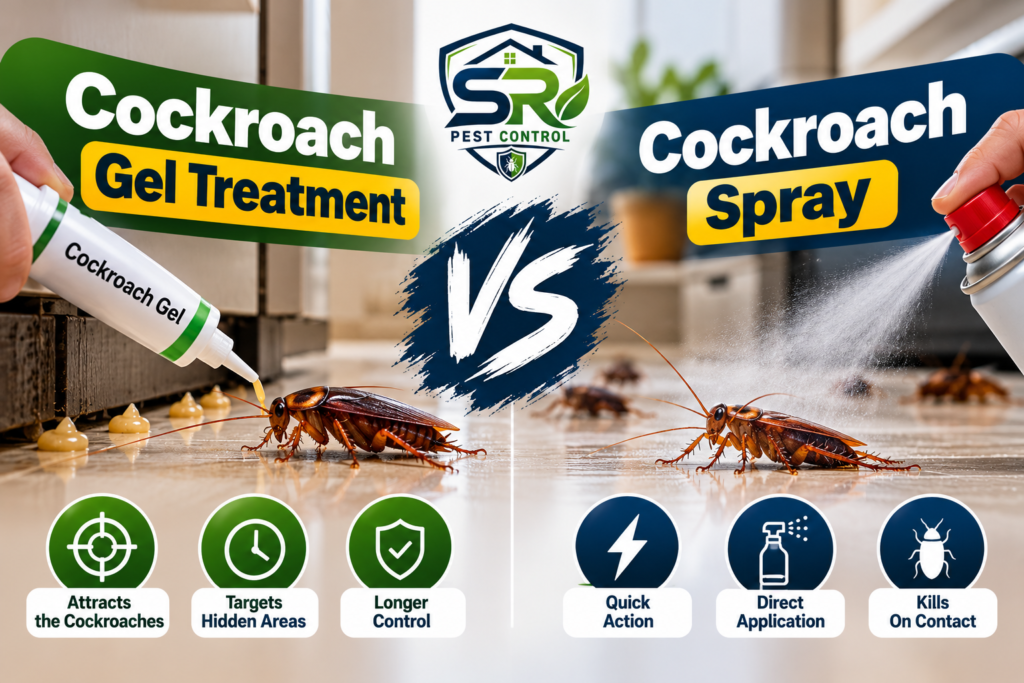
Cockroach Gel Treatment vs Spray: What’s the Difference? If you have cockroaches in your kitchen or bathroom, you have probably wondered which works better: cockroach gel treatment or a cockroach spray. Both options are commonly used to control cockroaches, but they work differently. A spray may help kill cockroaches that come into direct contact with the product, while gel baits are designed to attract cockroaches to feed on the bait. Choosing between them depends on the severity of the infestation, where cockroaches are hiding, and how the product is intended to be used. For homeowners looking for cockroach control in Visakhapatnam, understanding the difference between gel treatment and spray can help you make a more informed decision. What Is Cockroach Gel Treatment? Cockroach gel treatment uses a specially formulated bait that attracts cockroaches. The gel contains an active ingredient intended to kill cockroaches after they consume it. A technician or homeowner applies small amounts of gel in suitable locations according to the product label. These locations may include cracks, crevices, cabinet hinges, and other areas where cockroaches are active, provided the product label permits such use. How Does Cockroach Gel Work? Cockroaches encounter the bait while searching for food and may consume it. The active ingredient then affects the cockroach according to the product’s mode of action. Gel bait is often useful when cockroaches are hiding in places that are difficult to reach with direct spraying. However, results depend on factors such as the bait formulation, cockroach species, placement, and availability of competing food sources. Advantages of Cockroach Gel Treatment Limitations of Cockroach Gel Treatment Gel bait is not an instant solution. Cockroaches need to encounter and consume the bait, so visible activity may continue for some time. Food crumbs, grease, and other competing food sources can also affect bait consumption. Some sprays may interfere with bait performance, depending on the products used. Keep gel bait away from children, pets, food, and food-contact surfaces, and always follow the product label. What Is Cockroach Spray Treatment? Cockroach sprays are products designed to control cockroaches through direct application or, depending on the formulation, residual activity on treated surfaces. Different sprays contain different active ingredients and have different application instructions. Some are intended for direct use on visible insects, while others are designed for specific surfaces or pest-control situations. How Does Cockroach Spray Work? When a cockroach comes into contact with a suitable insecticide, the active ingredient affects its nervous system or another biological process, depending on the formulation. Direct-contact sprays can be useful when a cockroach is visible and the product label allows treatment in that location. Some products may continue to work on treated surfaces for a specified period. This depends on the formulation, surface, environmental conditions, and label instructions. Advantages of Cockroach Spray Limitations of Cockroach Spray Spraying a visible cockroach does not necessarily eliminate the rest of an infestation. Cockroaches may remain hidden in cabinets, cracks, appliances, and other concealed areas. Spraying only the places where you see them may therefore provide incomplete control. Incorrect application can also create unnecessary exposure risks, particularly around food, children, pets, and frequently touched surfaces. Always follow the label, and never mix different insecticides or household chemicals unless the product instructions explicitly allow it. Cockroach Gel vs Spray: What’s the Difference? Feature Cockroach Gel Cockroach Spray Main approach Bait that cockroaches consume Product applied directly or to specified surfaces Best suited for Targeted baiting in suitable locations Visible cockroaches or labelled treatment areas Speed Depends on bait consumption and formulation Direct-contact products may act quickly Hidden infestations Can help target cockroaches that find the bait May miss cockroaches in inaccessible hiding places Application Small, targeted placements Depends on the product; may involve direct or surface application Key consideration Placement and competing food sources Correct application and exposure precautions Neither method is automatically better in every situation. The right choice depends on the infestation and the product being used. Which Is Better for Kitchen Cockroaches? The kitchen is one of the most common places to notice cockroach activity because food, water, and shelter are often available there. Gel bait may be useful when cockroaches are hiding in suitable cracks, crevices, and other locations where bait can safely be placed. Sprays may be appropriate for certain labelled applications, but extra care is necessary around food, utensils, cooking surfaces, and food preparation areas. Before treating a kitchen, read the product instructions carefully. Never apply a product to a food-contact surface unless the label specifically permits it and provides the required procedure. For a recurring kitchen infestation, it is often more effective to identify hiding places, remove food sources, manage moisture, and select a suitable treatment rather than relying on spraying alone. Which Is Better for a Severe Cockroach Infestation? If cockroaches appear every day, show up in several rooms, or keep returning after treatment, the problem may involve a larger hidden population. In such cases, choosing between gel and spray without understanding the infestation can lead to repeated treatments without lasting results. A professional pest control technician can assess the cockroach activity, identify likely hiding places, and determine whether gel bait, a suitable spray, other control measures, or a combination of methods is appropriate. Using multiple products is not always better. Some insecticides can interfere with bait performance, so treatment methods should be selected carefully. Can You Use Cockroach Gel and Spray Together? Sometimes, different methods can be used as part of an integrated pest management plan. However, they should not be combined indiscriminately. Certain sprays can repel cockroaches from gel bait or contaminate the bait, making it less attractive or effective. If both methods are being considered, follow the product labels and seek professional guidance about suitable placement and timing. It is also important to address the conditions that support cockroach activity, including: These preventive measures support whichever treatment is selected. Common Mistakes to Avoid Even a suitable product may not work as expected if it is used incorrectly. 1. Spraying Every Corner Applying

Cockroach Gel Treatment vs Spray: What’s the Difference? Read More »

cockroaches

Why Cockroaches Keep Coming Back After Treatment

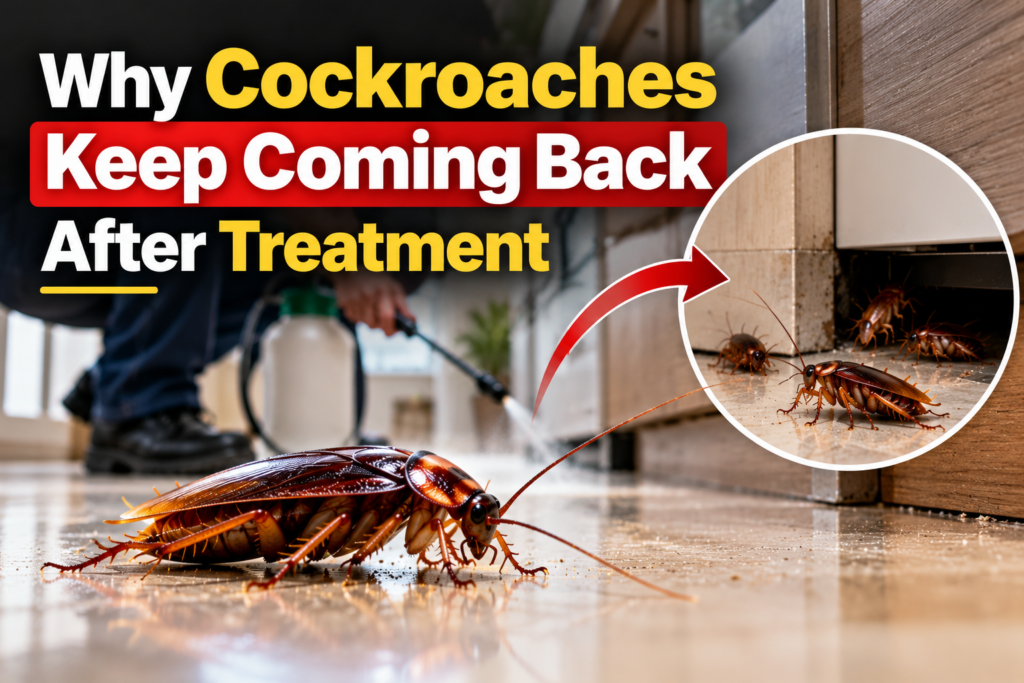
Why Cockroaches Keep Coming Back After Treatment Have you ever treated your home for cockroaches, felt relieved for a few days, and then noticed them crawling around your kitchen again? It can be frustrating. You spend money on pest control products or professional treatment, clean your home thoroughly, and expect the problem to disappear. Yet, a few days or weeks later, the cockroaches return. The reason is that getting rid of visible cockroaches and eliminating the conditions that allow them to survive are two different things. Cockroaches may return because eggs are still developing, hidden areas were missed, food and moisture remain available, or new cockroaches are entering from outside the treated area. If you are experiencing recurring cockroach problems and looking for cockroach control in Visakhapatnam, understanding the reasons behind the problem can help you choose the right next steps. 1. Cockroaches May Be Hiding in Areas That Were Not Treated Cockroaches are excellent at hiding. During the day, they often stay in dark, protected places where they are difficult to see. Common hiding places include: If treatment does not adequately address the areas where cockroaches hide, some may survive and become visible again later. What you can do: Pay attention to where cockroaches appear after treatment. Repeated sightings in the same location may help identify a hiding place or possible entry point. 2. Cockroach Eggs May Still Be Developing Another reason cockroaches can reappear is their reproductive cycle. Some cockroach eggs are protected inside cases called oothecae. Depending on the species and the treatment used, eggs may survive a treatment that kills exposed cockroaches. When the eggs hatch, young cockroaches may begin appearing even though the initial treatment reduced adult activity. This does not automatically mean the treatment failed. The outcome depends on the pest species, the product or method used, and the extent of the infestation. What you can do: Ask your pest control provider whether follow-up inspection or treatment may be necessary for your particular infestation. 3. Food Is Still Available Cockroaches do not need large amounts of food to survive. Small crumbs, grease, uncovered leftovers, and food residue around kitchen appliances can provide enough nourishment to attract them. Even if you clean your countertops regularly, cockroaches may find food in less noticeable places. Check areas such as: What you can do: Clean food spills promptly, store food in sealed containers, and avoid leaving dirty dishes or uncovered food overnight. Reducing available food sources can help make your home less attractive to cockroaches after treatment. 4. Moisture Is Allowing Cockroaches to Survive Water is another important factor. Leaking taps, damp corners, wet sinks, and plumbing problems can create suitable conditions for cockroaches. This is one reason why kitchens and bathrooms often experience recurring pest activity. If cockroaches keep appearing around the same sink or cabinet, check for moisture and plumbing leaks. What you can do: Repair leaking pipes, remove standing water, and keep damp areas as dry as reasonably possible. Remember that moisture control supports pest prevention, but it may not eliminate an established infestation by itself. 5. New Cockroaches May Be Entering Your Home Sometimes, the cockroaches you see after treatment are not survivors of the original infestation. They may be entering from outside or from connected areas. Possible entry points include: In apartments, cockroach activity may also be influenced by shared plumbing areas or neighbouring units. What you can do: Seal suitable gaps, maintain doors and windows, and investigate possible entry points. If multiple homes in a building have the same problem, coordinated pest management may be helpful. 6. The Treatment May Not Have Matched the Infestation Different cockroach species and infestation conditions can require different treatment approaches. A product or method that works for one situation may not be appropriate for another. For example, a small, localized problem may be easier to manage than a long-standing infestation spread across several rooms. Using a household spray on visible cockroaches may provide temporary relief without addressing concealed populations. What you can do: If cockroaches continue appearing, ask a qualified pest control professional to reassess the situation rather than repeatedly applying different products without a clear plan. 7. Cleaning Too Soon May Interfere With Some Treatments After pest control, many homeowners naturally want to clean every treated surface immediately. However, depending on the treatment method, cleaning certain areas too soon may remove residues or interfere with the intended effect. On the other hand, food-contact surfaces and areas where children or pets spend time may require specific precautions. What you can do: Follow the technician’s instructions about when and how to clean treated areas. Do not assume the same cleaning rules apply to every treatment. 8. The Infestation May Need Follow-Up Treatment Some cockroach infestations cannot be resolved completely with a single visit. The need for follow-up depends on factors such as: A follow-up visit can help assess whether the treatment is working and whether additional action is needed. If you notice continued activity, record where and when the cockroaches appear and share that information with your pest control provider. What Should You Do When Cockroaches Return? If cockroaches reappear after treatment, don’t immediately assume that you need to repeat the same process. Instead, follow these practical steps: These steps can help you address the underlying problem rather than focusing only on the cockroaches you can see. How to Prevent Cockroaches From Returning Prevention plays an important role in managing recurring cockroach problems. Maintain Kitchen Hygiene Clean food spills, wipe surfaces, and regularly clean areas behind and underneath appliances. Store Food Properly Keep dry foods and leftovers in sealed containers. Manage Household Waste Use covered garbage bins and remove food waste regularly. Fix Leaks Repair plumbing problems and reduce persistent moisture around sinks and bathrooms. Reduce Clutter Keep cupboards and storage areas organized to limit hiding places. Seal Entry Points Check gaps around doors, windows, pipes, and walls and seal suitable openings. Monitor Pest Activity Watch for repeated sightings, droppings, and egg cases. Early detection can

Why Cockroaches Keep Coming Back After Treatment Read More »

Cockroach Infestation in Visakhapatnam

5 Signs You Have a Cockroach Infestation

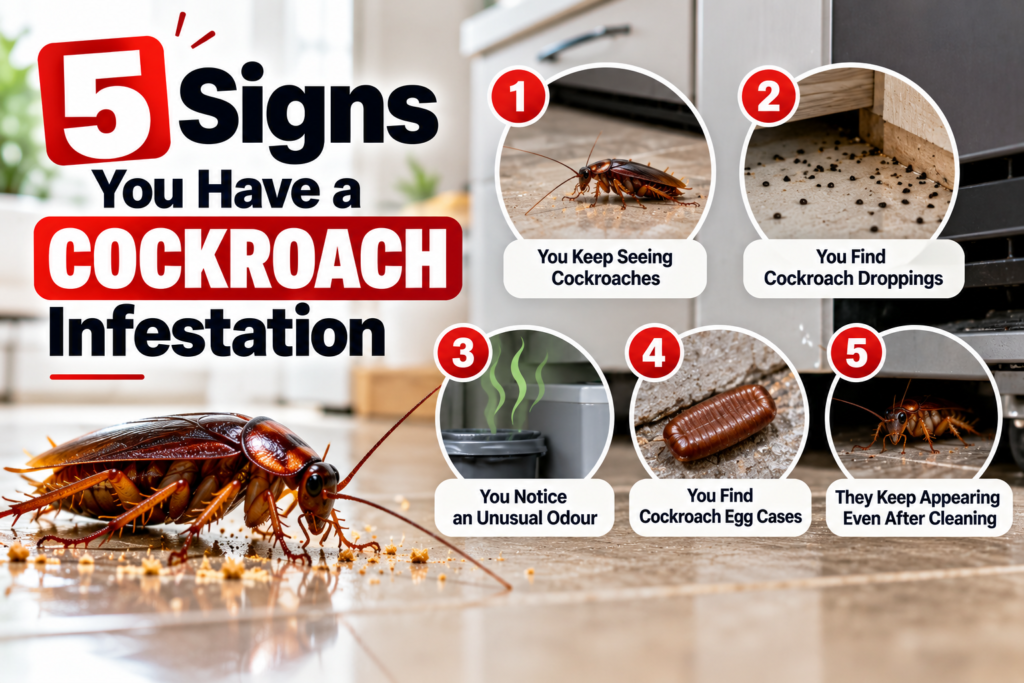
5 Signs You Have a Cockroach Infestation Seeing one cockroach in your home can be unsettling. But seeing cockroaches repeatedly is a different matter. If they keep appearing in your kitchen, bathroom, or storage areas, there may be more hiding nearby than you realize. Cockroaches are good at staying out of sight. They often hide in cracks, cabinets, behind appliances, under sinks, and other dark areas. This means an infestation can develop before you realize how serious the problem has become. For homeowners looking for cockroach control in Visakhapatnam, knowing the early warning signs can help you take action before the problem spreads. Here are five signs that may indicate you have a cockroach infestation. 1. You Keep Seeing Cockroaches The most obvious warning sign is seeing cockroaches regularly. Finding one cockroach occasionally does not necessarily mean you have a major infestation. However, if you are seeing them repeatedly—especially in different areas of the house—it is worth investigating. Pay attention to where and when you see them. Cockroaches are often more active when the house is quiet and dark. If you regularly spot them at night while entering the kitchen or switching on a light, there may be a larger population hiding nearby. Seeing cockroaches during the daytime can also be a reason to take the problem seriously, particularly if sightings are frequent. 2. You Find Cockroach Droppings Cockroach droppings can be another indication of activity. Depending on the type of cockroach and where the droppings are found, they may look like tiny dark spots, specks, or stains. Check areas such as: If you regularly find small dark marks in areas where you rarely see cockroaches themselves, investigate further. Cleaning the area can remove the visible droppings, but it will not solve the underlying problem if cockroaches are still present. 3. You Notice an Unusual Odour A persistent, unpleasant smell can sometimes accompany a significant cockroach problem. Cockroaches can leave behind odours as they move through areas where they hide and gather. In a larger infestation, this smell may become more noticeable, particularly in enclosed spaces such as cabinets or storage areas. Of course, unpleasant smells can have many other causes. Food waste, dampness, drainage problems, and mould can also create odours. But if an unusual smell is combined with other signs of cockroach activity, it is worth checking the area carefully. 4. You Find Cockroach Egg Cases Another important warning sign is finding cockroach egg cases. Cockroaches produce protective cases that contain eggs. These may be found in concealed areas such as cupboards, cracks, behind appliances, storage spaces, or other sheltered locations. Finding an egg case suggests that cockroaches may be reproducing in or around the property. Don’t simply throw away the visible case and assume the problem is solved. If you are finding egg cases, look for other signs of activity nearby. A professional inspection can be useful if you are unsure how extensive the problem is. 5. Cockroaches Keep Appearing Even After Cleaning You clean the kitchen. You remove food scraps. You empty the garbage. You wipe the counters. Yet the cockroaches keep coming back. This is one of the most frustrating signs for homeowners. Regular cleaning is important, but it may not be enough when cockroaches have established hiding places. They can hide behind appliances, inside cabinets, around plumbing, in cracks, and in other areas that are difficult to reach during normal cleaning. If you continue seeing cockroaches despite maintaining good hygiene, the issue may involve hidden activity or entry points that need further attention. What Should You Do If You Notice These Signs? Don’t panic. Start by looking for the conditions that may be attracting cockroaches. Keep Food Properly Stored Store food in sealed containers and avoid leaving leftovers or food scraps exposed. Clean Hidden Areas Pay attention to areas under appliances, inside cabinets, behind furniture, and around kitchen corners. Control Moisture Check for leaking taps, pipes, damp areas, and water collecting under sinks. Manage Garbage Use covered bins and remove food waste regularly. Reduce Clutter Cardboard boxes, unused papers, bags, and cluttered storage areas can provide hiding spaces. Check Entry Points Look around doors, windows, plumbing openings, cracks, and other potential access points. These steps can help reduce the conditions that make your property attractive to cockroaches. When Is It Time to Call a Professional? If you are seeing cockroaches frequently or noticing several of the signs mentioned above, professional pest control may be worth considering. Professional assistance can be particularly useful when: A professional can assess the property and recommend an appropriate treatment approach based on the pest activity and conditions present. Cockroach Control in Visakhapatnam If you are experiencing recurring cockroach activity at your home or business, choosing an experienced local pest control provider can help you understand the problem and available treatment options. SR Pest Control provides pest control services for residential and commercial properties in Visakhapatnam, including cockroach control and other pest management services. You can learn more about the available services here: Cockroach & Pest Control Services in Visakhapatnam – SR Pest Control For enquiries, contact +91 9121835368. Final Thoughts Cockroach infestations don’t always announce themselves immediately. Sometimes the first signs are small dark droppings, an unusual smell, an egg case, or cockroaches appearing more frequently than usual. The earlier you recognize these signs, the easier it can be to investigate the cause and take appropriate action. If you notice repeated cockroach sightings, droppings, unusual odours, egg cases, or persistent activity despite cleaning, don’t ignore the problem. Good hygiene and prevention are important, but an established infestation may require professional attention to address the problem more systematically.

5 Signs You Have a Cockroach Infestation Read More »

Cockroaches in Visakhapatnam Homes

Why Cockroaches Are Common in Visakhapatnam Homes

Why Cockroaches Are Common in Visakhapatnam Homes Finding cockroaches in your home can be frustrating, especially when you have already cleaned the kitchen and taken steps to keep the house tidy. Many homeowners wonder why cockroaches continue to appear despite their efforts. The truth is that cockroaches are attracted to more than just visible food waste. Moisture, warmth, shelter, small gaps, drains, food crumbs, and clutter can all create suitable conditions for them. For homeowners looking for cockroach control in Visakhapatnam, understanding why cockroaches enter homes is an important first step. Once you identify the conditions that attract them, it becomes easier to take preventive measures and decide when professional pest control may be necessary. Why Do Cockroaches Enter Visakhapatnam Homes? Cockroaches are highly adaptable pests. They can find food, water, and hiding places in many types of residential properties. Several conditions can make a home more attractive to cockroaches. 1. Food Is Easily Available Cockroaches are opportunistic feeders. They can survive on small amounts of food that may not seem significant to us. Crumbs under kitchen appliances, food particles on countertops, uncovered food, and spills can all provide potential food sources. This is why keeping the kitchen clean is important, but simply wiping visible surfaces may not always be enough. Pay attention to areas such as: Regular cleaning can help reduce available food sources. 2. Moisture Attracts Cockroaches Water is another important factor. Leaking taps, damp corners, wet sinks, plumbing leaks, and poorly ventilated areas can provide the moisture cockroaches need. Bathrooms and kitchens are therefore common areas for cockroach activity. If you regularly see cockroaches near your sink or bathroom, check whether there is excess moisture or a plumbing issue that needs attention. Fixing leaks and keeping surfaces reasonably dry can help make these areas less attractive. 3. Warm Indoor Conditions Provide Shelter Cockroaches prefer warm, sheltered environments. Homes provide plenty of places where they can hide from light and disturbance. Behind appliances, inside cabinets, under sinks, and around plumbing fixtures are examples of areas where cockroaches may find suitable shelter. They are particularly difficult to notice because they are often active when the house is quiet. If you mostly see cockroaches at night, it does not necessarily mean they are only present at night. They may simply be more active when there is less human activity. 4. Drains and Plumbing Areas Can Become Entry Points Drains and plumbing areas can sometimes provide access to suitable environments for cockroaches. Poorly maintained drainage areas, gaps around pipes, and openings near plumbing fixtures can create potential pathways. If cockroach activity is concentrated around sinks, bathrooms, or drainage areas, inspect these locations carefully. However, avoid assuming that every cockroach entered through a drain. There can be several entry points within a property. 5. Small Cracks and Gaps Make It Easy for Pests to Enter Cockroaches can take advantage of small gaps around a property. Potential entry points include: Sealing unnecessary openings can reduce potential entry points. This is particularly useful when combined with good housekeeping and moisture management. 6. Food Storage Practices Can Make a Difference Leaving food uncovered or storing food in easily accessible packaging can provide cockroaches with an easy source of nourishment. Keep food in properly sealed containers where practical. Pay particular attention to: Also clean spills as soon as possible instead of allowing them to remain overnight. 7. Garbage Can Attract Cockroaches Household waste can contain food residue and moisture. An uncovered or overflowing garbage bin can therefore become an attractive area for pests. Use a suitable covered bin and dispose of waste regularly. Clean the bin when food or liquid has accumulated inside. Good waste management is a simple but important part of cockroach prevention. 8. Clutter Gives Cockroaches Places to Hide Cockroaches prefer dark and protected spaces. Stacks of cardboard boxes, unused papers, bags, and cluttered storage areas can provide hiding places. Regularly organize cupboards, storerooms, and other less-used areas. If you have cardboard boxes stored for long periods, check them periodically, particularly if they are kept in damp or dark areas. Reducing clutter can also make it easier to notice early signs of pest activity. 9. Nearby Conditions Can Affect Your Home Sometimes the source of a cockroach problem is not limited to one room. Shared walls, neighbouring properties, common drainage systems, garbage areas, gardens, and other surrounding conditions can influence pest activity. This can be particularly relevant in apartment buildings and closely situated properties. If multiple homes in the same building are experiencing cockroach problems, individual cleaning alone may not completely address the issue. Signs You May Have a Cockroach Infestation Occasionally seeing a single cockroach does not necessarily mean there is a large infestation. However, repeated signs deserve attention. Watch for: If you are noticing several of these signs, it may be time to investigate the problem more closely. Why Cockroaches Keep Coming Back One of the biggest challenges with cockroach control is that killing visible cockroaches may not address the underlying conditions. If food, moisture, shelter, or entry points remain available, new cockroaches may continue to appear. For example, spraying a cockroach in the kitchen may remove that individual pest, but it does not necessarily solve a leak under the sink, a gap around plumbing, or a hidden infestation behind an appliance. This is why identifying the conditions supporting the infestation is important. Simple Ways to Reduce Cockroach Activity You can take several practical steps to make your home less attractive to cockroaches. Keep Food Covered Store food in sealed containers and avoid leaving leftovers uncovered. Clean Regularly Pay attention to hidden areas under appliances and furniture. Reduce Moisture Fix leaks and keep sinks and damp areas as dry as reasonably possible. Manage Waste Use covered garbage bins and remove food waste regularly. Seal Entry Points Check cracks and gaps around doors, windows, pipes, and walls. Reduce Clutter Keep storage areas organized and avoid unnecessary piles of cardboard or paper. When Should You Consider Professional Cockroach Control? If cockroaches continue

Why Cockroaches Are Common in Visakhapatnam Homes Read More »

How to Get Rid of Cockroaches at Home in Visakhapatnam

How to Get Rid of Cockroaches at Home in Visakhapatnam Finding a cockroach in your kitchen can be more than just unpleasant. If you are seeing cockroaches regularly, especially at night, there may be more hiding in places you cannot easily see. Cockroaches are attracted to food, moisture, warmth, and dark hiding spaces. Once they find a suitable environment, they can spread through kitchens, bathrooms, storage areas, and other parts of a home. For homeowners searching for cockroach control in Visakhapatnam, the good news is that there are several practical steps you can take to reduce cockroach activity. However, when the infestation becomes persistent, professional treatment may be a better option. Here is a practical guide to dealing with cockroaches at home. Why Do Cockroaches Enter Homes? Cockroaches usually look for three basic things: food, water, and shelter. Even a clean home can occasionally have cockroaches because they can enter through small gaps, drains, pipes, doors, windows, and other openings. Some common factors that can attract cockroaches include: The first step toward controlling cockroaches is understanding what may be attracting them. 1. Keep Your Kitchen Clean The kitchen is one of the most common places to find cockroaches because it provides easy access to food and water. Clean countertops, cooking surfaces, floors, and other areas regularly. Pay particular attention to areas underneath appliances and furniture where crumbs can accumulate. Try not to leave food scraps or dirty dishes sitting overnight. Even small amounts of food can attract pests, especially when they are left in dark or hidden areas. 2. Store Food Properly Don’t leave food uncovered for long periods. Store grains, snacks, cereals, and other food items in sealed containers whenever possible. If you have pets, avoid leaving pet food exposed overnight. Proper food storage does not guarantee that cockroaches will never appear, but it can reduce the food sources available to them. 3. Keep the Sink and Kitchen Dry Moisture can be just as attractive to cockroaches as food. Check your kitchen and bathroom for leaking taps, pipes, or areas where water collects. After using the sink, keep the surrounding area reasonably dry. If there is a persistent plumbing leak, fixing the underlying problem can be an important part of pest prevention. 4. Take Care of Garbage Regularly Garbage can provide cockroaches with both food and shelter. Use a covered garbage bin and dispose of household waste regularly. Clean the inside of the bin when necessary, particularly if food waste or liquid has leaked inside. Keeping waste areas clean can make your home less attractive to cockroaches. 5. Check Cracks and Entry Points Cockroaches can move through surprisingly small spaces. Check areas around: Where appropriate, seal gaps and cracks that could provide entry points. You should also check whether there are gaps underneath doors or around utility lines. 6. Don’t Ignore Drains Drains can become an important part of pest prevention. Keep drains clean and address plumbing problems promptly. If cockroaches seem to appear around bathrooms, sinks, or drainage areas, consider whether there could be an underlying moisture or entry-point issue. However, avoid using harsh chemicals or mixing cleaning products simply because you suspect cockroach activity. Follow product instructions and use household chemicals safely. 7. Reduce Clutter Cockroaches prefer dark, protected spaces. Stacks of cardboard boxes, unused materials, paper, and cluttered storage areas can provide hiding places. Organize cupboards and storage spaces regularly. Remove unnecessary cardboard and keep stored items off damp floors where possible. A cleaner, more organized environment also makes it easier to notice signs of pest activity. 8. Use Traps or Baits Carefully For a minor cockroach problem, commercially available traps or baits may help reduce visible activity. Always read and follow the product label. Keep pest control products away from children and pets, and don’t use more product than recommended. If the cockroach problem continues despite these measures, repeatedly using household sprays may not address the source of the infestation. Signs That You May Have a Larger Cockroach Problem Seeing one cockroach does not always mean your home has a major infestation. However, certain signs deserve attention. Look for: If you notice several of these signs, the infestation may require a more systematic approach. Why Cockroaches Keep Coming Back One of the most frustrating things about cockroach problems is that killing the visible cockroaches may not solve the underlying issue. Cockroaches can hide in places such as: If these areas remain suitable for cockroaches, they may continue to return. This is why simply spraying the cockroach you see may provide only temporary relief. When Should You Consider Professional Cockroach Control? If you have tried basic prevention and the problem continues, professional pest control may be worth considering. Professional treatment can be particularly useful when: A professional can assess the property and recommend a treatment approach based on the pest activity and conditions at the location. Professional Cockroach Control in Visakhapatnam For homeowners dealing with recurring cockroach problems, choosing an experienced local pest control provider can make the process easier. SR Pest Control provides pest control services for residential and commercial properties in Visakhapatnam, including cockroach control and other common pest management services. You can explore the available services here: Cockroach & Pest Control Services in Visakhapatnam – SR Pest Control For enquiries, contact +91 9121835368. How to Prevent Cockroaches After Treatment Getting rid of an infestation is only part of the solution. Prevention can help reduce the chances of cockroaches returning. Maintain regular kitchen cleaning and keep food properly stored. Fix leaks and avoid leaving standing water around the property. Keep garbage covered and remove waste regularly. Reduce clutter in cupboards and storage spaces, and seal potential entry points where practical. It is also useful to monitor the property after treatment. If you notice cockroach activity again, contact your pest control provider and explain what you are seeing. Final Thoughts Knowing how to get rid of cockroaches at home in Visakhapatnam starts with understanding why they are entering your property. Good hygiene, proper food

How to Get Rid of Cockroaches at Home in Visakhapatnam Read More »

Scroll to Top
Call Now Button